Downspout Trenching in Salt Lake City, UT
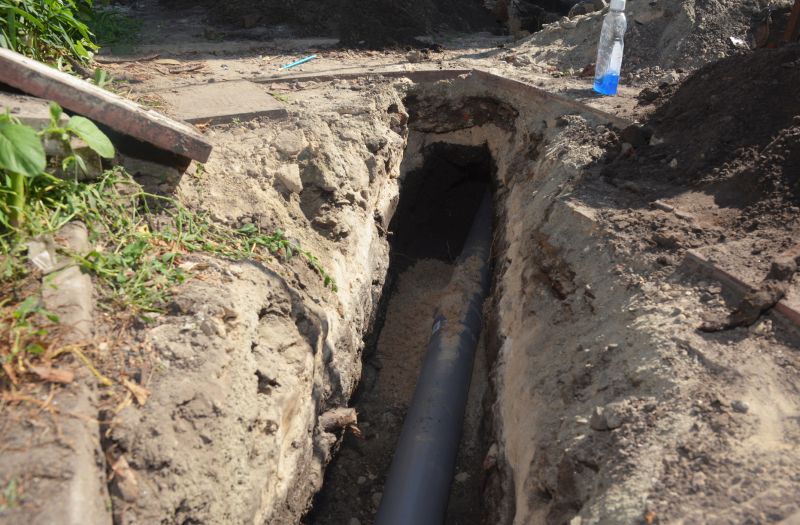
Downspout trenching services involve excavating trenches to properly direct rainwater away from a property's foundation. This process is often used when existing downspouts need to be extended, rerouted, or when new drainage systems are being installed to prevent water pooling and potential damage. Property owners typically request this service for projects such as improving drainage around residential homes, installing underground downspouts, or addressing issues caused by heavy rainfall or poor drainage patterns.
Before requesting downspout trenching, homeowners should consider the layout of their property, including the location of existing drainage systems and the desired exit points for water runoff. It’s helpful to understand the scope of the project, including the length of trenching needed and any obstacles that may affect excavation. Clarifying these details can ensure the trenching work is tailored to effectively manage water flow and protect the property’s foundation.
Many property owners in Salt Lake City, UT look into Downspout Trenching for repairs, replacements, upgrades, and appearance-related improvements.
Proper Downspout Drainage
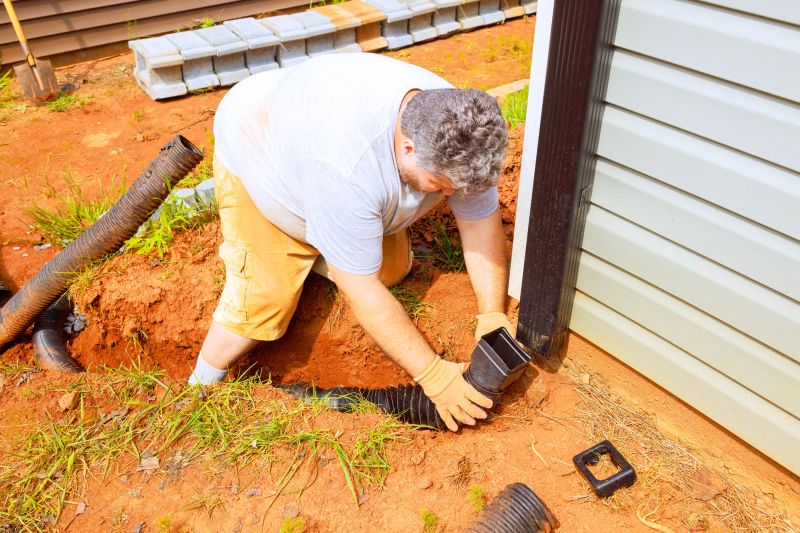
Trenching helps direct rainwater away from foundations and landscaping.
Foundation Protection
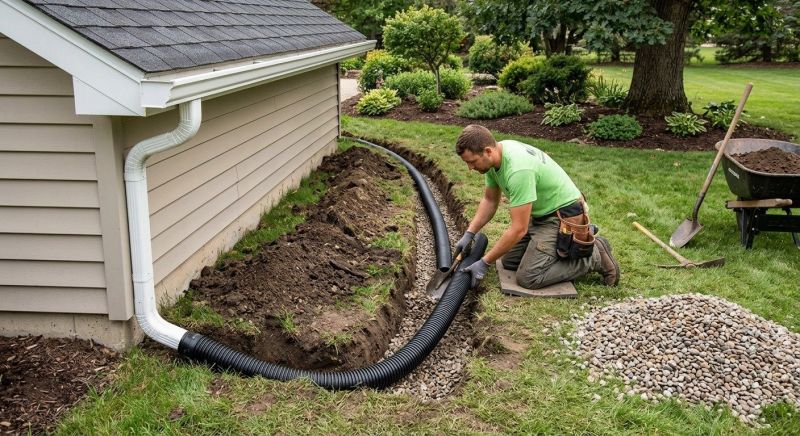
Effective trenching reduces the risk of water damage to basements and crawl spaces.
Customized Trenching Solutions
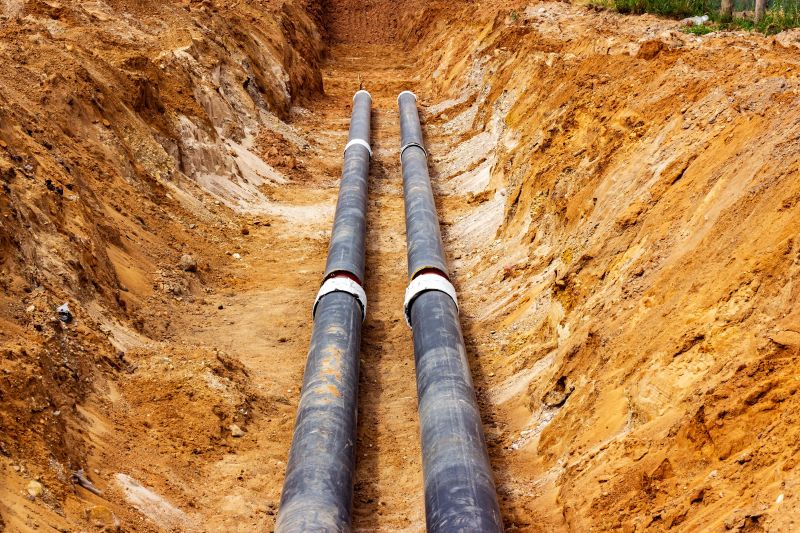
Services are tailored to fit the specific layout and drainage needs of salt lake city properties.
Downspout Trenching in Salt Lake City, UT
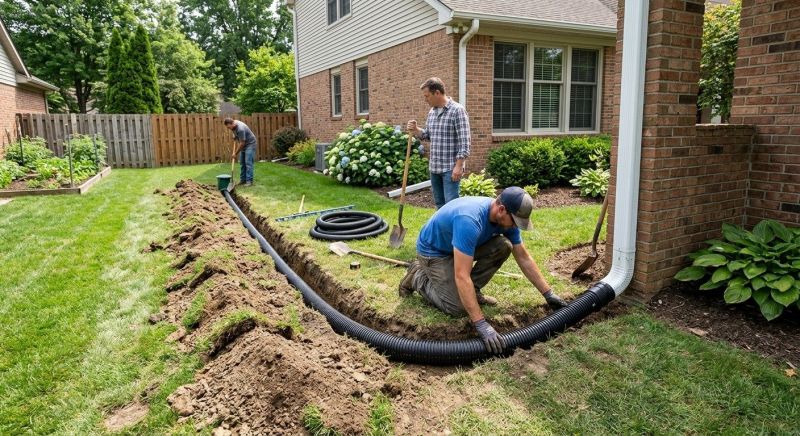
Downspout trenching services involve excavating trenches to properly direct rainwater away from a property's foundation. This process is often used when existing downspouts need to be extended, rerouted, or when new drainage systems are being installed to prevent water pooling and potential damage. Property owners typically request this service for projects such as improving drainage around residential homes, installing underground downspouts, or addressing issues caused by heavy rainfall or poor drainage patterns.
Before requesting downspout trenching, homeowners should consider the layout of their property, including the location of existing drainage systems and the desired exit points for water runoff. It’s helpful to understand the scope of the project, including the length of trenching needed and any obstacles that may affect excavation. Clarifying these details can ensure the trenching work is tailored to effectively manage water flow and protect the property’s foundation.
Many property owners in Salt Lake City, UT look into Downspout Trenching for repairs, replacements, upgrades, and appearance-related improvements.
Common Downspout Trenching Jobs
Downspout trenching involves creating underground channels to direct water away from the foundation.
Drainage improvements help prevent basement flooding and water damage around the property.
Leak repair and rerouting services ensure downspouts are properly connected and functioning.
Soil grading and leveling work can be included to enhance water runoff and drainage.
Custom trench installation adapts to unique property layouts for optimal water management.
Gutter downspout extensions are installed underground to keep water away from walls and foundations.

Downspout Trenching Questions
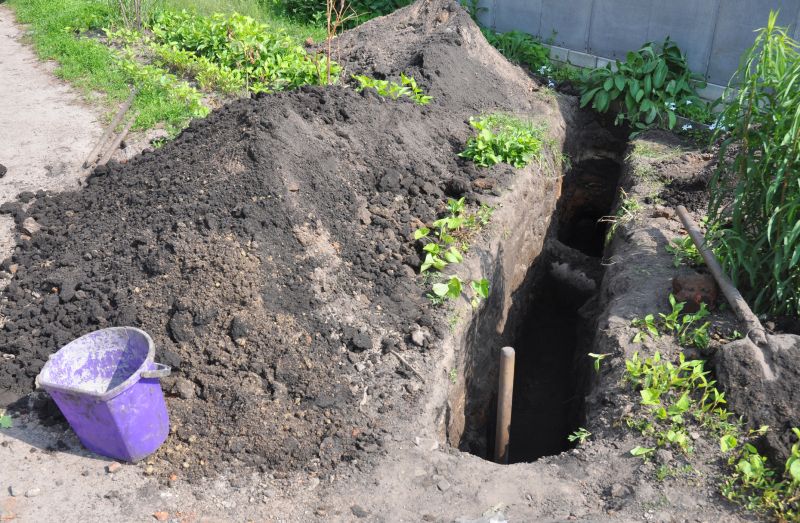
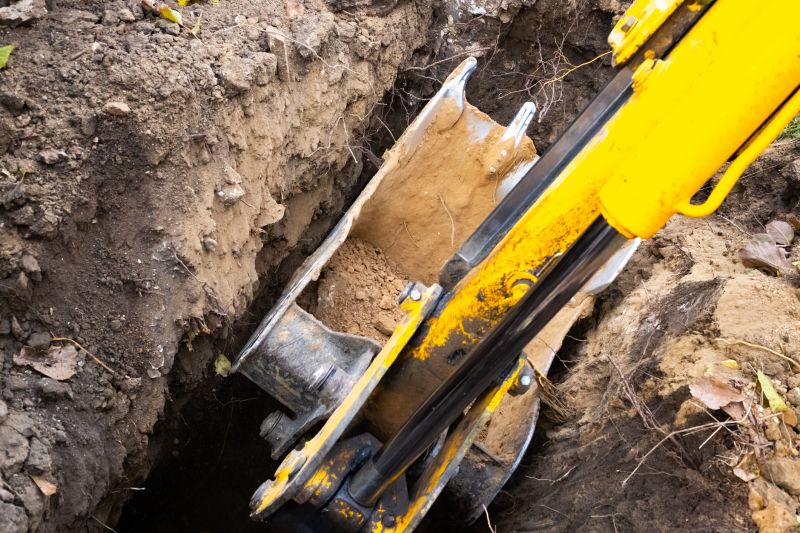
What is downspout trenching? Downspout trenching involves digging a channel to direct rainwater away from a building’s foundation, preventing water damage.
When is downspout trenching needed? It is typically needed when existing drainage causes pooling or erosion near the property’s foundation or landscaping.
How does trenching improve drainage? Trenching creates a dedicated pathway for water to flow away from the structure, reducing the risk of basement flooding and soil erosion.
What types of projects benefit from downspout trenching? Projects include installing new drainage systems, redirecting runoff from gutters, and fixing existing water flow issues around the property.
Request Downspout Trenching in Salt Lake City, UT
Use the quote form on this page to share the basics of your project and request more information for the type of work you need.